
Save the Tigers


B.Grimm has been actively engaged in tiger conservation and population restoration projects for over a decade, in collaboration with both public and private sectors. As apex predators, tigers play a crucial role at the top of the food chain, and their presence in the wild serves as an indicator of a healthy and thriving ecosystem. To support these efforts, B.Grimm provides modern and sufficient equipment for rangers, along with specialised training to prepare them for real-life field operations. The company also supports the improvement of ranger stations, the creation of salt licks, and the breeding and release of ungulates to serve as a sustainable food source for wild tigers. Furthermore, B.Grimm promotes awareness of tiger conservation through educational initiatives aimed at communities near protected forests, students, and the public, highlighting the ecological significance of tiger populations and fostering community involvement in conservation efforts.
Performance 2024
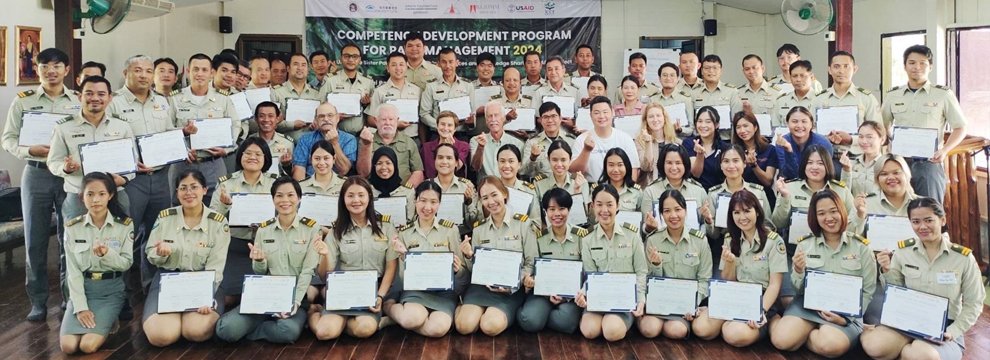
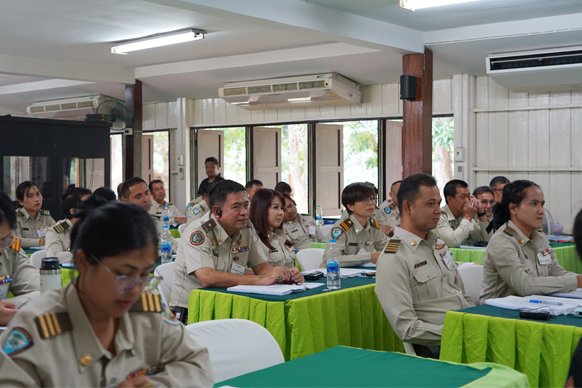
B.Grimm also places strong emphasis on raising public awareness about the ecological importance of tigers through ongoing activities. In 2024, B.Grimm Power, in collaboration with the Amata Foundation and the Department of National Parks, Wildlife and Plant Conservation, co-hosted a press conference and panel discussion titled “Forest Rangers & Tigers: Restoring Balance to Thailand’s Forests.” This event was organised to commemorate Global Tiger Day (29 July) and World Ranger Day (31 July), aiming to inspire collective action across all sectors to conserve Thailand’s forests. The initiative spotlighted the vital role of forest rangers as guardians of natural balance, while also encouraging appreciation for wildlife and natural resource conservation through powerful storytelling and advocacy. Additionally, B.Grimm organised a "Competency Development Programme for Park Management" to enhance the operational skills of national park officer, key personnel in protected area management. The programme trained 126 participants, including national park chiefs, assistant park officers, wildlife sanctuary heads and deputies, as well as officers from Lao PDR and Republic of the Philippines.
To further promote awareness, B.Grimm ran a global advocacy campaign on the importance of tigers and ecosystem conservation. This included year-round promotional content for the “Save the Tigers” campaign on international media platforms such as BBC, Bloomberg, CNN, and CNBC. The company also shared the story of strengthening ecosystems through tiger population restoration via CNN: Mission Tiger, highlighting the importance of preserving Thailand’s rich biodiversity.

the editorial report under the project “Mission Tiger”, collaborating with BBC, Bloomberg and CNN International


Indicators of business gains
- Support biodiversity conservation and restoration in alignment with the company’s sustainability target, aiming to generate net positive impacts on biodiversity.
- Reduce the risk of biodiversity loss from business operations, such as potential conflicts with stakeholders affected by ecosystem degradation and implications from biodiversity-related laws and policies.
- Promote access to nature- and biodiversity-related business opportunities, such as establishing collaborations with global business partners that prioritise nature and biodiversity conservation, and accessing financial incentives for organisations with sustainable business practices such as issuing Sustainability-Linked Bonds and securing Green Loans.
Indicators of community, social, and environmental benefits
- Support for UN SDG 15.5.
- Raise public awareness on environmental conservation, tiger preservation, ecosystem restoration, and natural balance through various activities, such as the press conference and panel discussion titled “Forest Rangers and Tigers: Restoring Balance to Thailand’s Forests”, along with the dissemination of Save The Tigers campaign materials and the Mission Tiger documentary through global media outlets.
- Enhance the capability of national park officers to improve the effectiveness of natural resource and environmental conservation at a broader scale through national park operations. This is achieved by organising the “Competency Development Programme for Park Management.”