
Save the Tigers



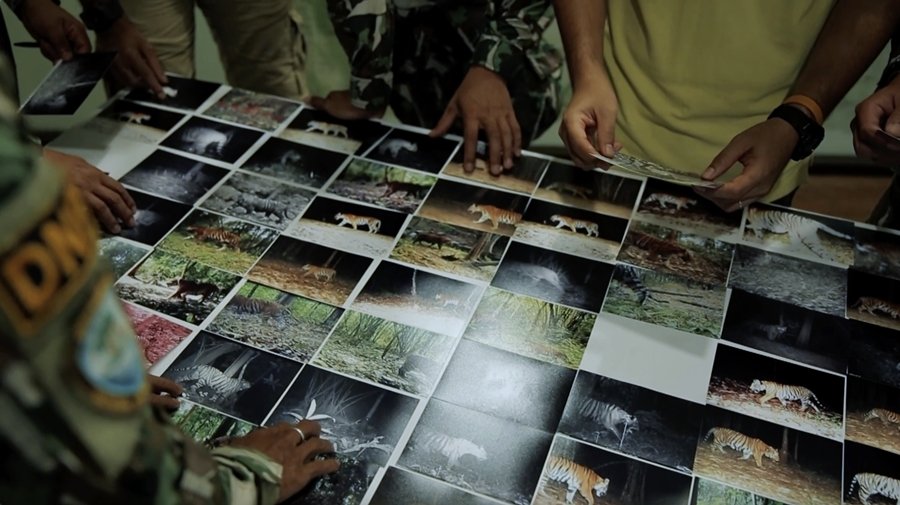
B.Grimm has been actively engaged in tiger conservation and population restoration projects for over a decade, in collaboration with both public and private sectors. As apex predators, tigers play a crucial role at the top of the food chain, and their presence in the wild serves as an indicator of a healthy and thriving ecosystem. To support these efforts, B.Grimm provides modern and sufficient equipment for rangers, along with specialised training to prepare them for real-life field operations. The company also supports the improvement of ranger stations, the creation of salt licks, and the breeding and release of ungulates to serve as a sustainable food source for wild tigers. Furthermore, B.Grimm promotes awareness of tiger conservation through educational initiatives aimed at communities near protected forests, students, and the public, highlighting the ecological significance of tiger populations and fostering community involvement in conservation efforts.
Performance 2025
Competency Development Program for Park Management
B.Grimm Power maintains a steadfast commitment to the continuous conservation of natural resources and wildlife. We have strategically evolved our operations under the "Save the Tigers" project, progressing from raising awareness and providing policy support to enhancing the systemic capacity of agencies responsible for safeguarding the nation’s forests and ecosystems. This is achieved through the professional development of national park management personnel, who serve as the primary mechanism for the sustainable preservation of natural resources and biodiversity.
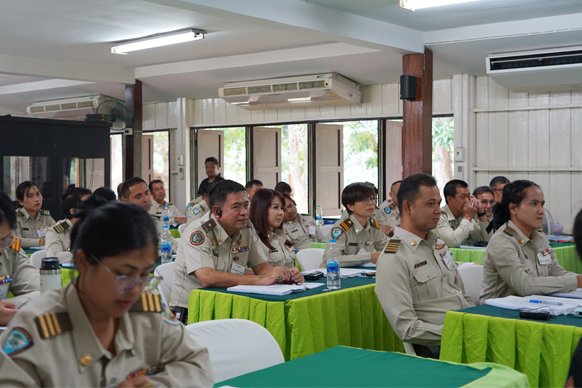
In 2025, B.Grimm Power, in collaboration with the Amata Foundation, the Department of National Parks, Wildlife and Plant Conservation (DNP), and Global Parks (USA), conducted the Competency Development Programme for Park Management. As a core component of the SPARK project, this intensive six-day training was held at the DNP Training Centre. The programme attracted over 420 applicants from across the country, with 30 high-potential candidates selected from various national parks and wildlife sanctuaries to participate.
The curriculum focused on fostering leadership, systems thinking, and sustainable protected area management. Learning was delivered through practical workshops, group discussions, and knowledge sharing with international experts—comprising former senior executives and specialists in national park management. This approach empowered participants to effectively apply advanced insights, concepts, and management tools within their respective conservation areas.
As a result of this initiative, participants have been developed into "Change Agents" capable of driving conservation at the local level and addressing complex resource management challenges, such as climate change, anthropogenic pressures, and resource constraints. The total investment for the programme amounted to THB 1.01 million, achieving a 100 percent participation and evaluation rate. This success reflects the efficacy of our investment in human capital, which remains a vital factor in strengthening the nation’s natural resources and biodiversity conservation systems for the long term.
Business Benefit Indicators
- Strengthens institutional capacity for natural resource conservation
Supports the development of government personnel directly involved in protected area management, enhancing national-level ecosystem conservation efficiency in line with nature-related risk management strategies. - Reduces systemic risks from nature and biodiversity issues
Enhancing park management helps mitigate indirect risks such as ecosystem degradation, stakeholder conflicts, and reputational risks associated with biodiversity loss. - Supports international disclosure readiness
Enhances B.Grimm Power’s credibility and aligns with global frameworks such as SDGs, TNFD, and ESG guidelines, which are critical for investor evaluations. - Enhances strategic partnerships
Collaborative efforts with government and global conservation organisations expand our strategic network for future sustainability projects. - Builds long-term investor confidence
Investing in human capital for conservation reflects our role as a systemic impact-maker, reinforcing trust in our responsible and sustainable business conduct.
Community, Social, and Environmental Benefit Indicators
- Supports UN Sustainable Development Goals (SDGs)
Specifically Goal 15 (Life on Land) through sub-targets 15.1, 15.5, and 15.c by empowering agencies responsible for ecologically significant forests. - Elevates regional conservation efficiency
Develops knowledge, skills, and leadership for personnel in national parks and wildlife sanctuaries, protecting habitats and ecosystems linked to surrounding communities. - Strengthens public sector capacity for long-term social benefit
Developing "Change Agents" ensures systematic and continuous management of natural resources for the benefit of society. - Supports balanced resource management
Knowledge gained facilitates better community engagement, reducing pressure on natural resources and human-wildlife conflicts. - Expands social awareness of conservation
Evolved from the "Save the Tigers" campaign into structural impacts that ensure long-term sustainability for ecosystem management.